Preserving the Stories of Glenreagh
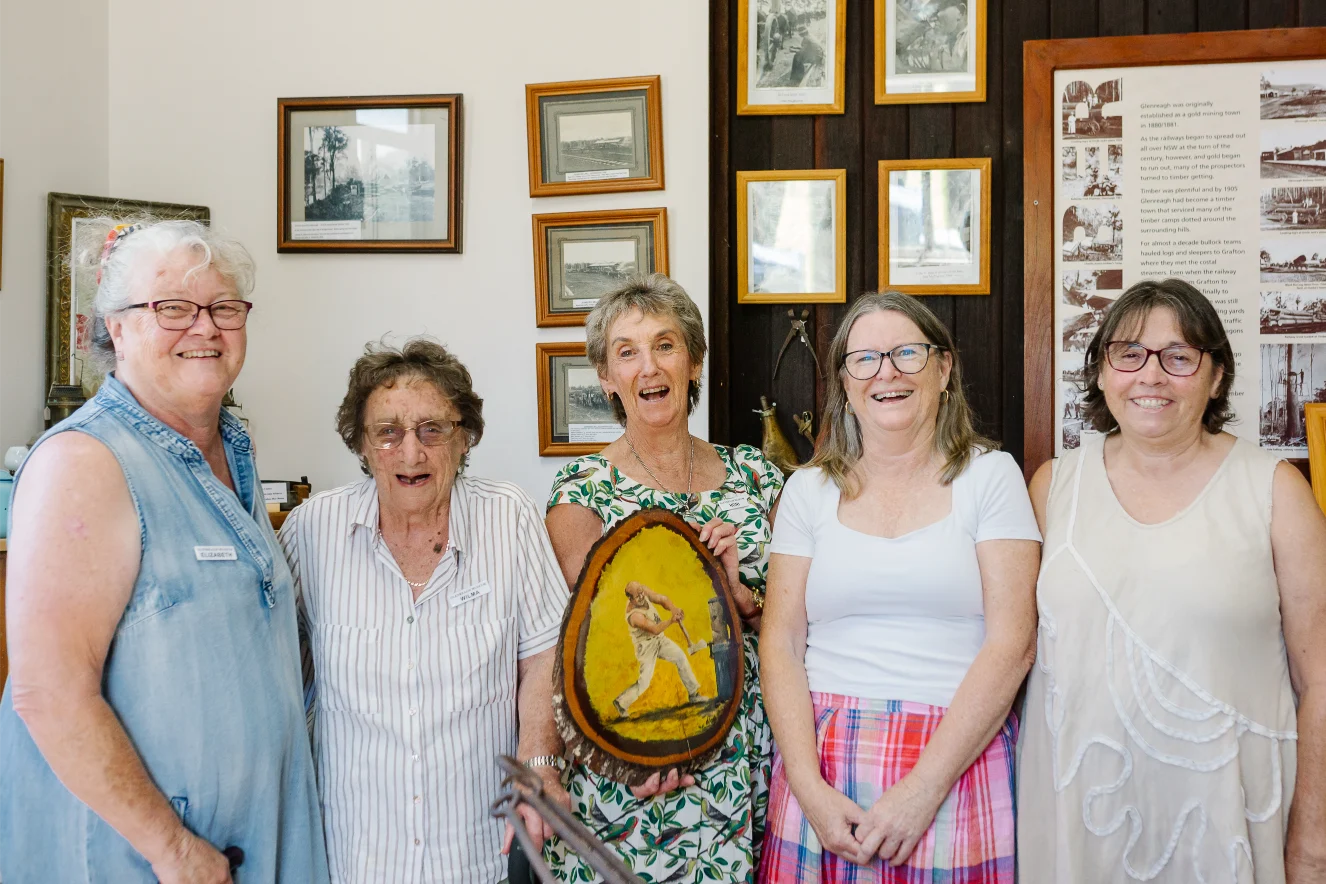
When Wilma arrived in Glenreagh in 1960 as a young schoolteacher, she could never have imagined she would spend the next six decades helping shape the community she had come to love.
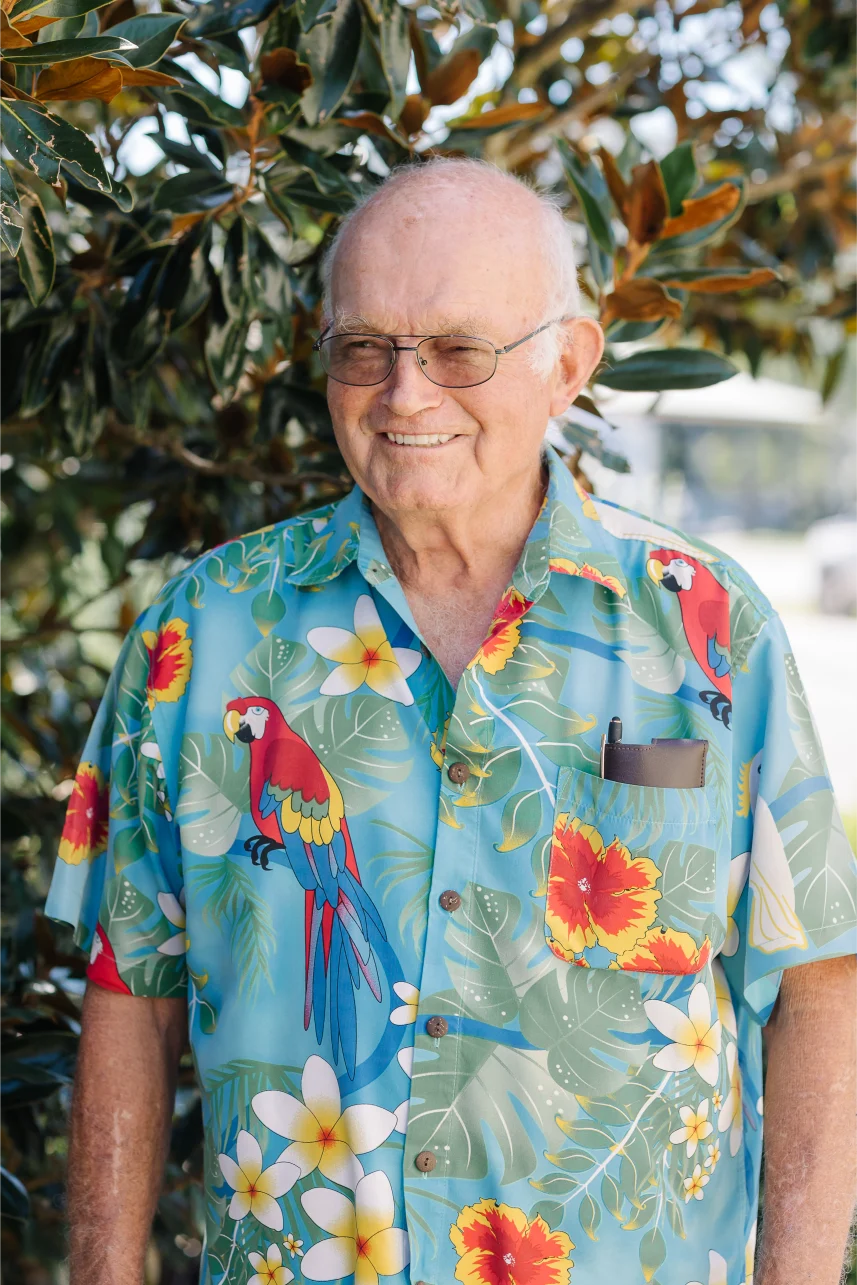
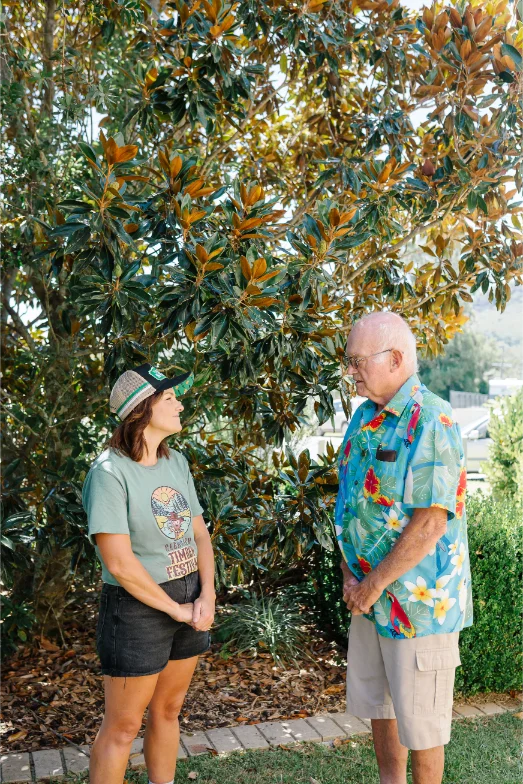
Ask Noel Blackman about the Glenreagh Timber Festival, and he won’t start by talking about woodchopping.
He’ll start with the town.
Because for Noel, the festival has always been about much more than a single day of entertainment.
It’s about preserving the story of Glenreagh itself.
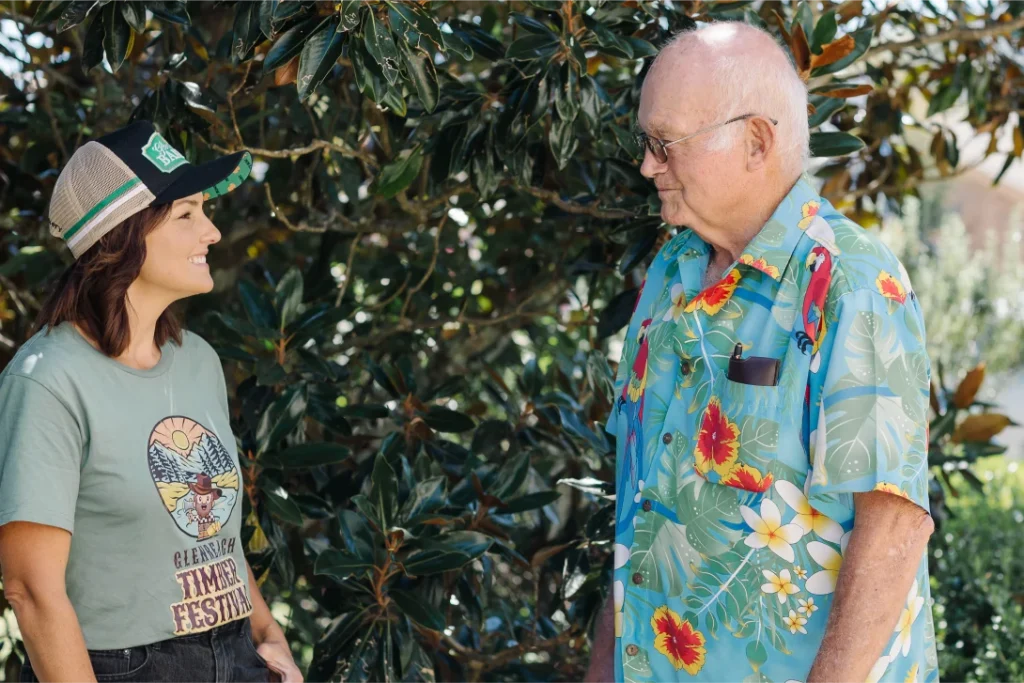
Having lived in Glenreagh since 2000, Noel has become one of the community’s most recognisable volunteers. Through the Progress Association, Lions Club, Rural Fire Service, Search and Rescue, and numerous other local organisations, he’s spent years helping make Glenreagh the place it is today.
And through it all, he’s watched the Glenreagh Timber Festival grow from a simple idea into one of the region’s most celebrated community events.
Like many great country ideas, Noel remembers the festival beginning with a conversation.
“I think it started with a couple of blokes over at the pub talking about a woodchop,” he recalls.
The first events were modest.
Woodchopping was the main attraction and the festival was still finding its identity.
But the community saw potential.
Year after year, more people became involved. New ideas emerged. New attractions were added.
And slowly, the festival evolved into the event visitors know today.
“It’s grown from there,” Noel says.
To understand the festival, Noel believes you first need to understand Glenreagh.
Timber isn’t simply part of the town’s history.
It is the town’s history.
The early cedar industry helped establish the region before hardwood milling became a major employer for local families. At its peak, local mills provided work for well over a hundred people, supporting generations who built their lives around the industry.
But timber isn’t the only story Noel remembers.
Gold mining also played a significant role in the district’s development, with mines stretching from the Glenreagh region towards Dorrigo and beyond.
Together, these industries helped shape the community that exists today.
And the festival continues to honour that history.
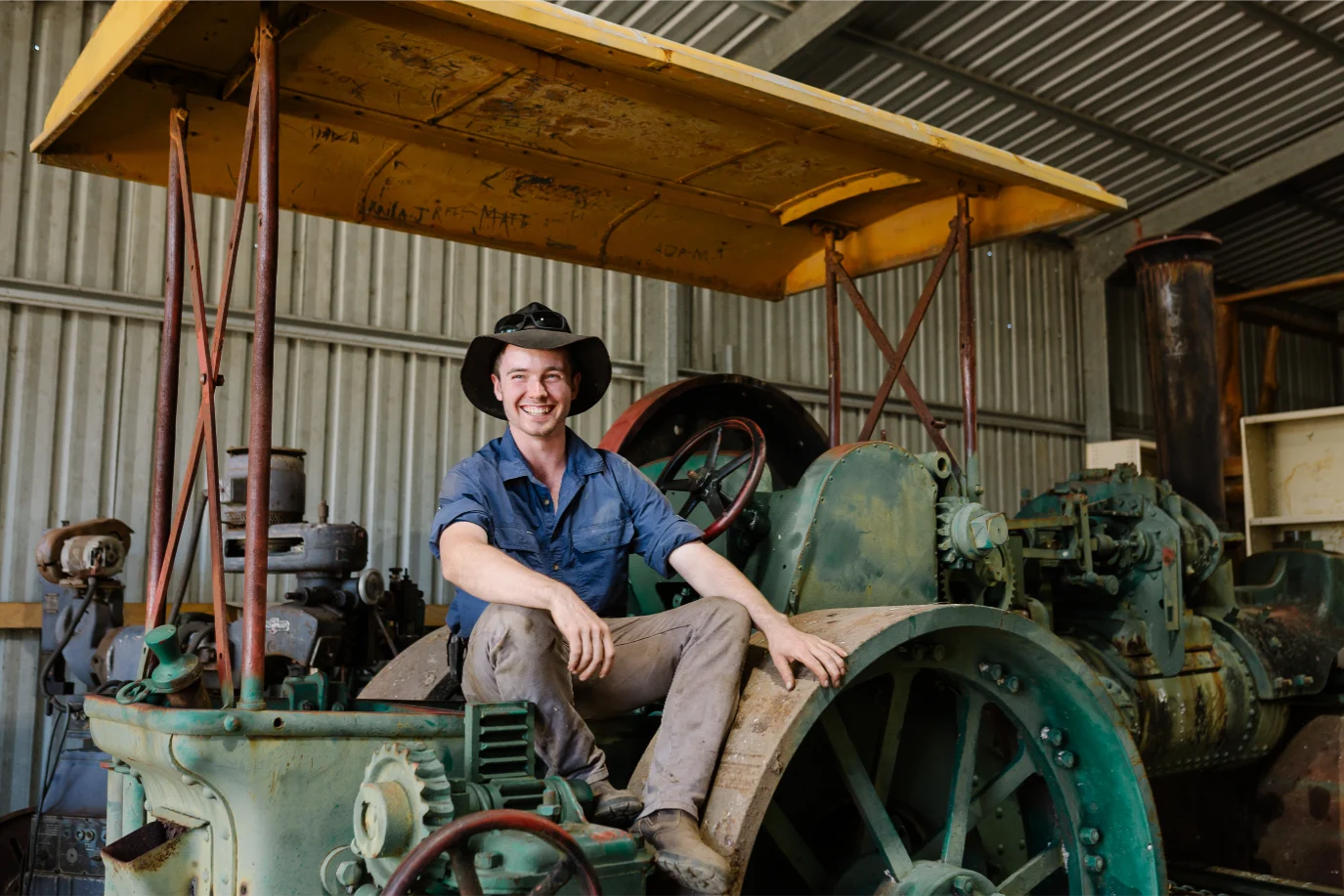
One of Noel’s favourite aspects of the modern festival is the growing focus on steam heritage.
For him, the steam displays aren’t simply impressive machinery.
They’re a reminder of the railway that once connected Glenreagh to Dorrigo and played a vital role in the region’s development.
The railway transported timber.
It transported goods.
And when farming expanded throughout the district, it helped move milk and cream from local dairy farms to market.
“The town’s got a big history here,” Noel says.
“And the festival shows that.”
It’s these connections between timber, transport, agriculture and community that make the Glenreagh Timber Festival unique.
Like many long-term locals, Noel is quick to point out that none of it happens without volunteers.
Throughout the year, community groups work behind the scenes to prepare for the festival, support activities and ensure visitors enjoy the experience.
For Noel, much of that work happens through the Lions Club.
On festival day, you’re likely to find him helping at the barbecue, lending a hand wherever needed and catching up with familiar faces.
It’s a role he’s proud to play.
Because he understands that community events survive through participation.
Not just attendance.
One thing Noel is certain about is that the festival will continue to evolve.
Over the years, attractions such as chainsaw racing have joined traditional favourites like woodchopping, bringing new audiences while maintaining strong links to the region’s heritage.
“I think it’s great,” he says.
The willingness to embrace new ideas while celebrating old traditions is one of the reasons the festival continues to grow.
And as the next generation takes on leadership roles, Noel believes the future is bright.
For Noel, the Glenreagh Timber Festival is ultimately a celebration of the people who built the town.
The timber workers.
The dairy farmers.
The railway workers.
The volunteers.
The families.
And the community groups that continue to keep Glenreagh’s story alive.
As the festival approaches its twentieth year, Noel’s reflections serve as a reminder that history isn’t something that sits in a museum.
It’s something that lives on through stories, traditions and community spirit.
And every year, when the festival gates open, another chapter of that story is written.

When Wilma arrived in Glenreagh in 1960 as a young schoolteacher, she could never have imagined she would spend the next six decades helping shape the community she had come to love.

For Will Mackie, the Glenreagh Timber Festival isn’t just an event. It’s where passions become connections.
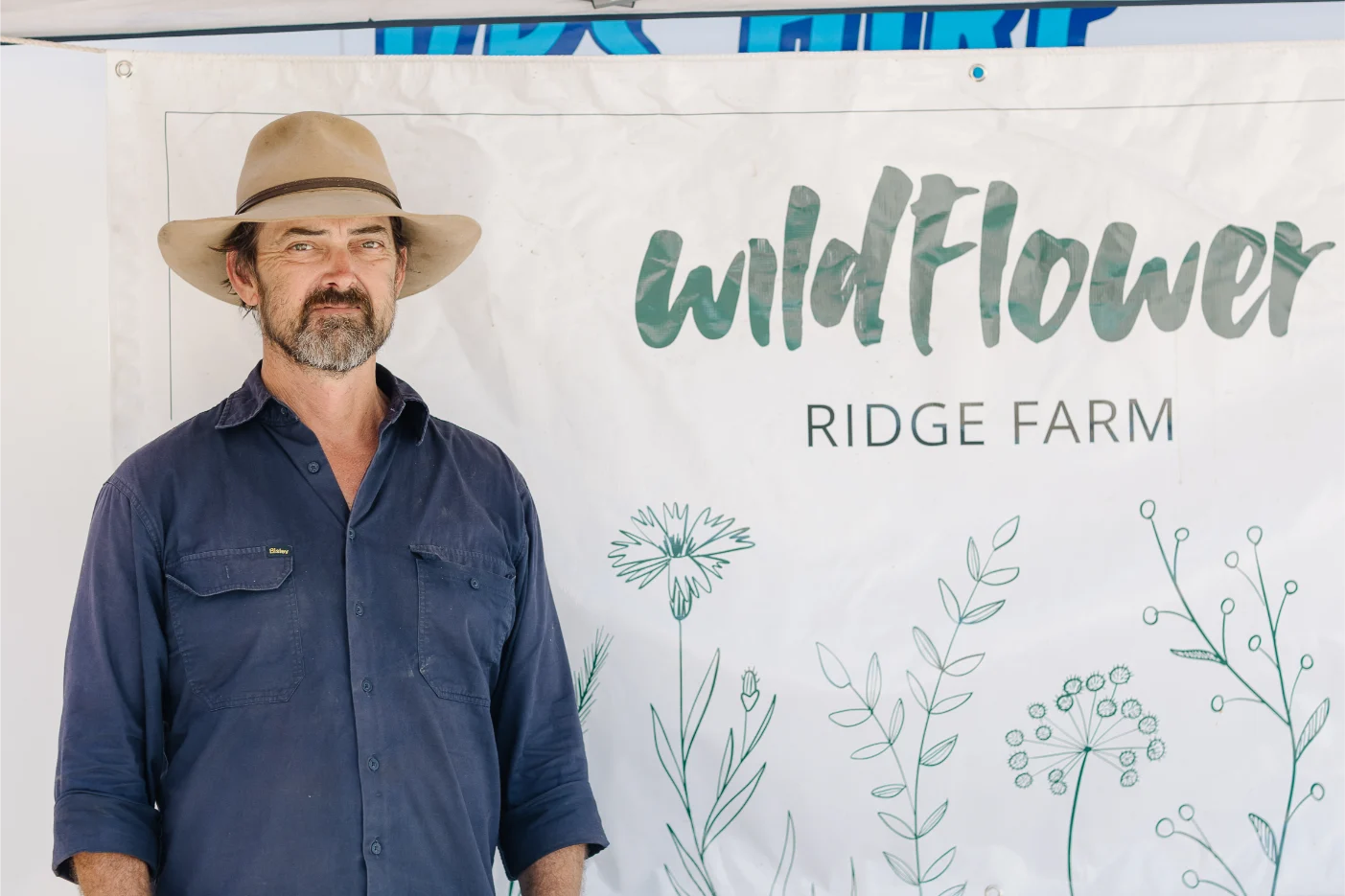
Not many people swap the rock-and-roll industry in London for cattle paddocks in Glenreagh. But that’s exactly what Tristan did.