Communities Don’t Run Themselves
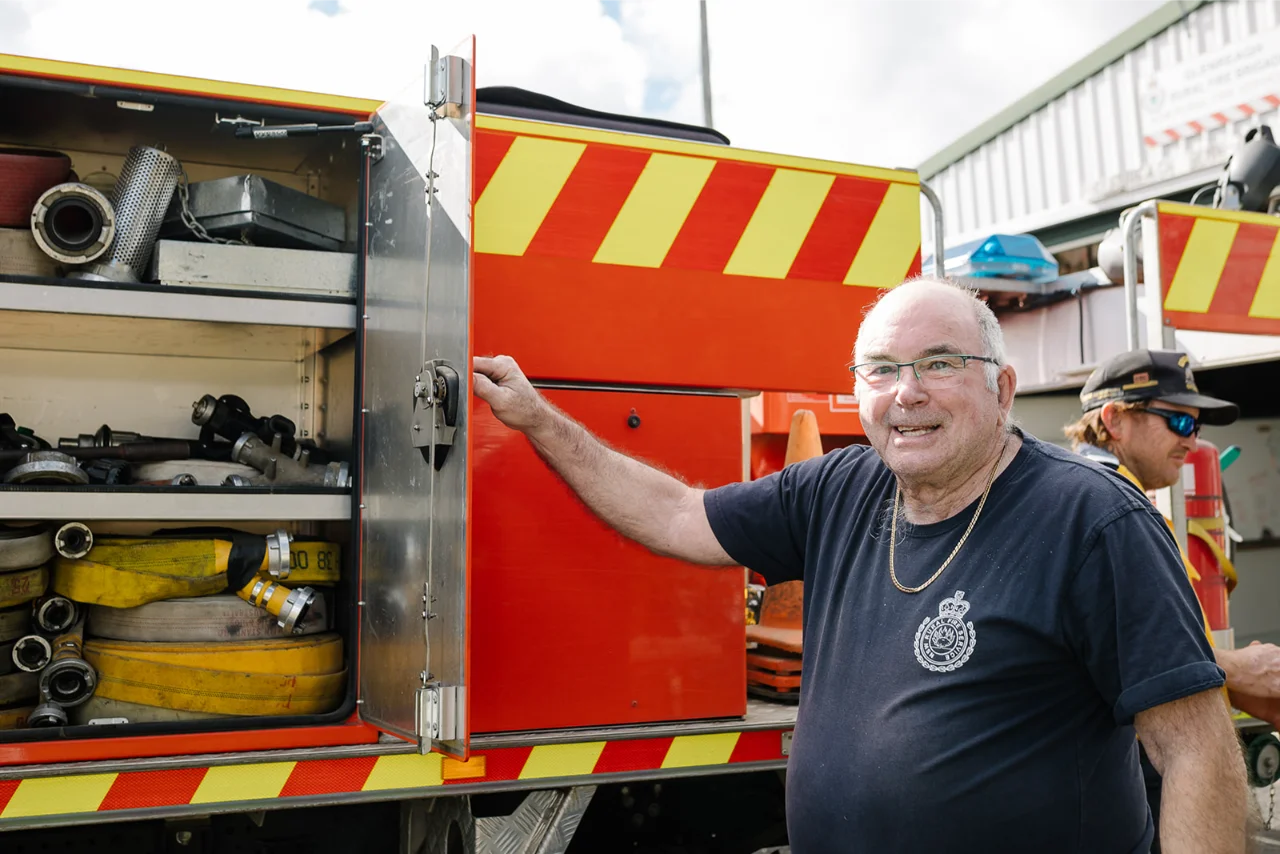
Long before the gates open, before crowds wander through the displays and before the first axe strikes timber, Charlie Fancett is already hard at work.
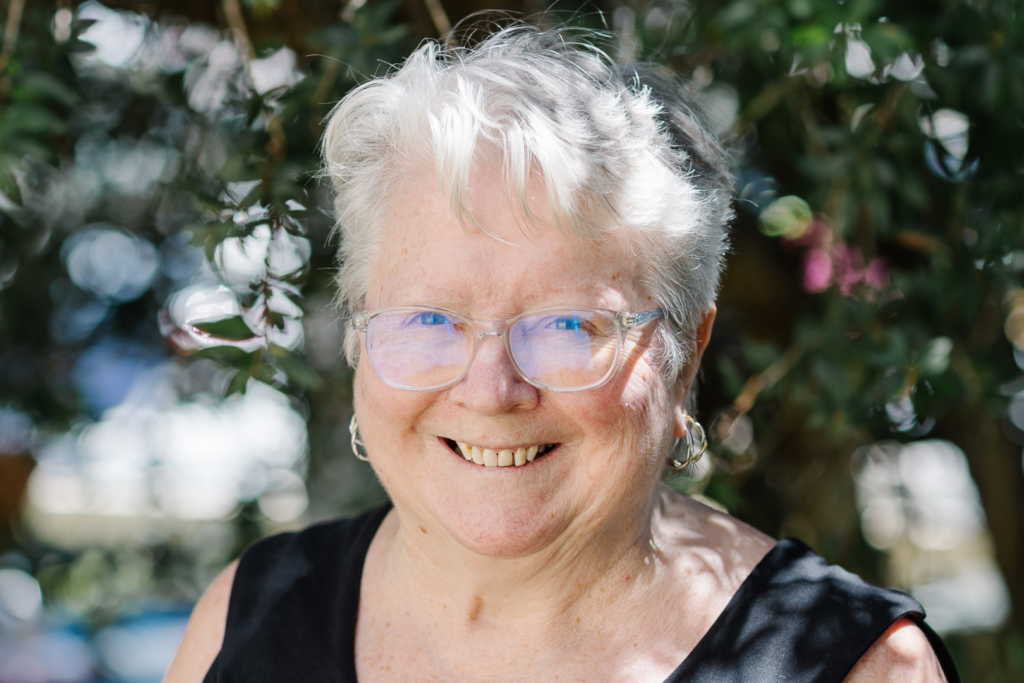
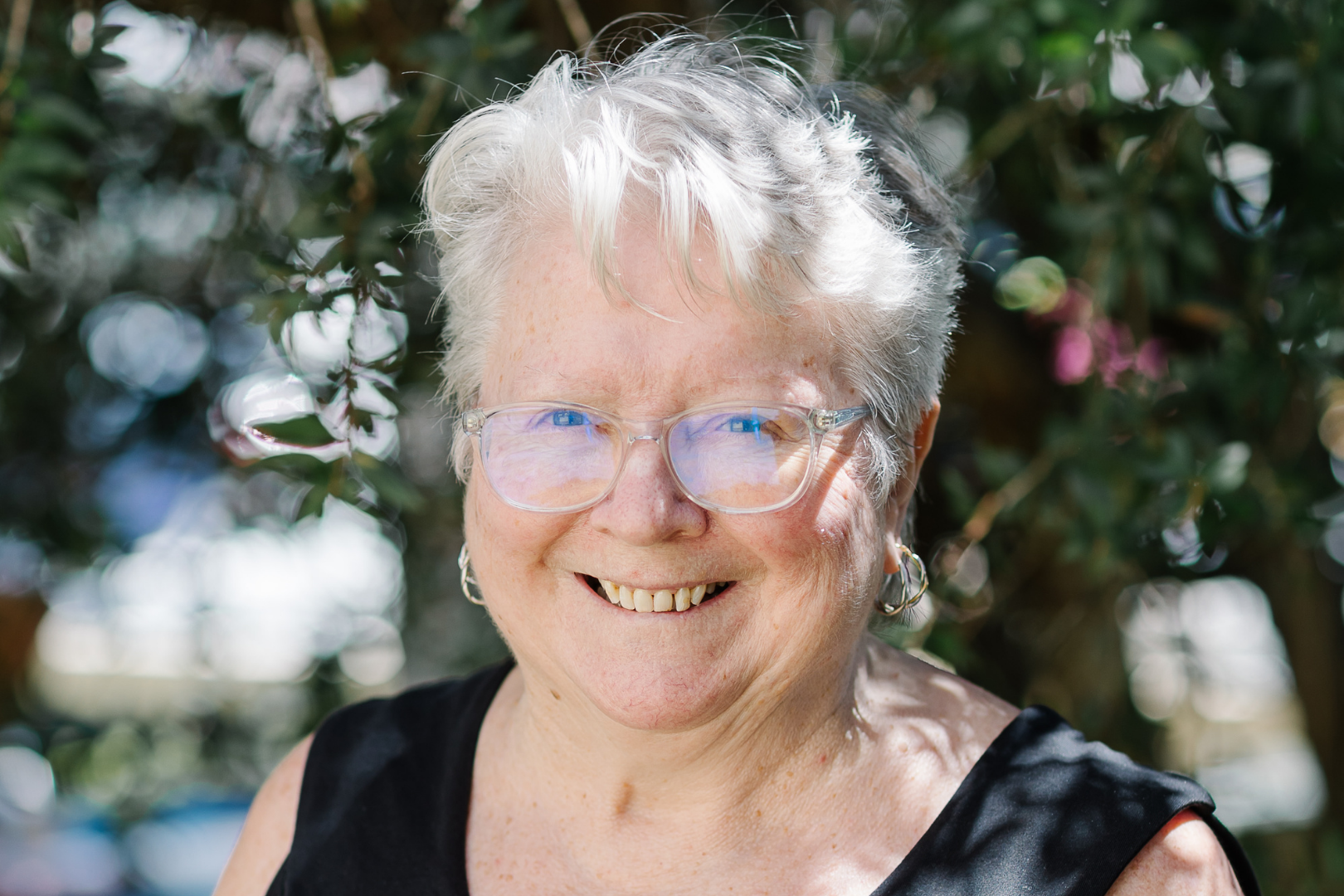
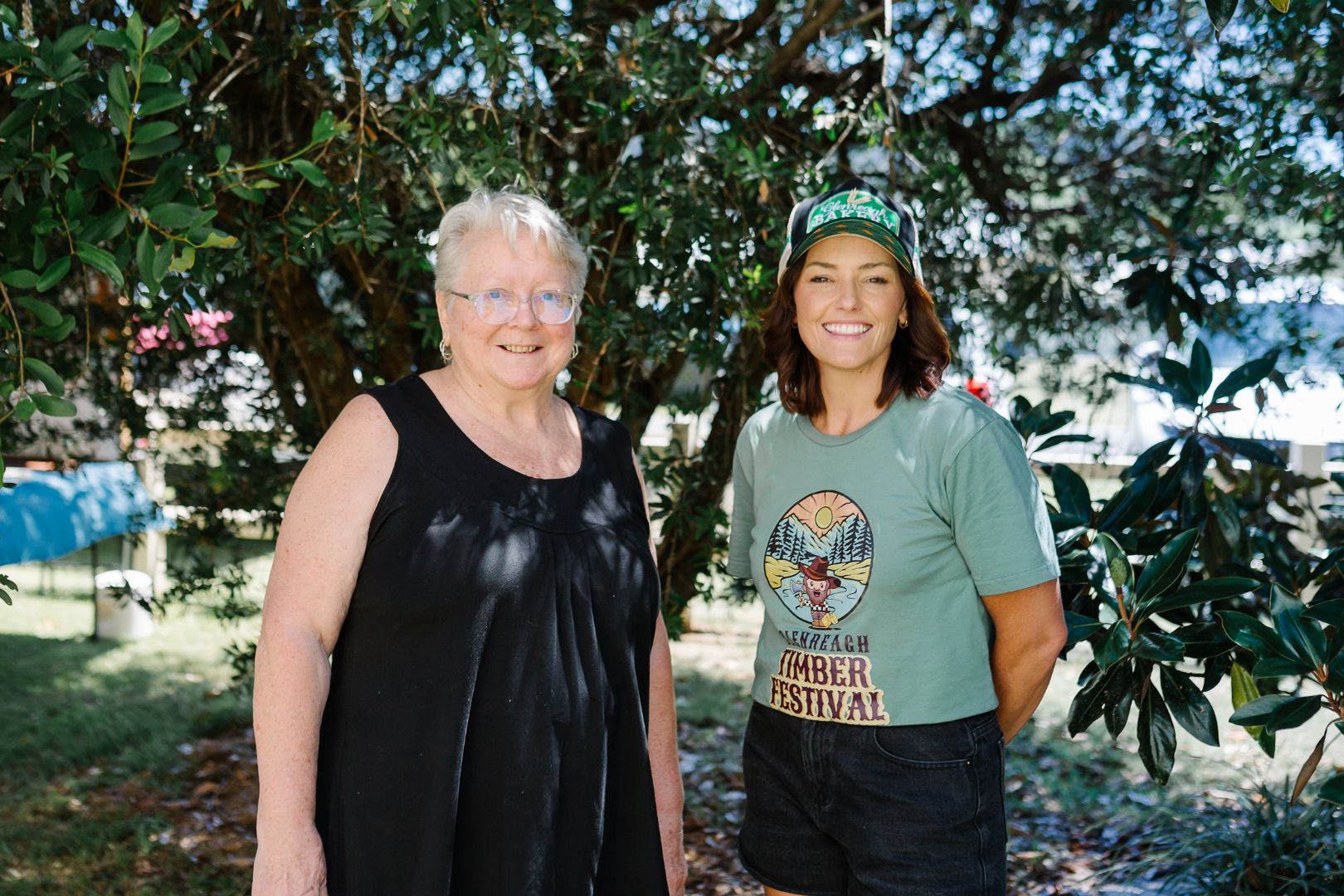
Sometimes home is where you’re born. Sometimes it’s where you choose to stay. For Jennie, Glenreagh became home eleven years ago when she and her husband made the move from Sydney. They didn’t know then just how much the community would become part of their lives.
Today, Jennie is a familiar face around Glenreagh. She coordinates the Glenreagh Markets, has volunteered extensively within the community, and has spent countless hours helping behind the scenes at the Glenreagh Timber Festival. But her connection to the village goes far beyond volunteering. “Glenreagh saved our lives,” she says. It’s a simple statement, but one that speaks volumes about the sense of belonging she found in the community.
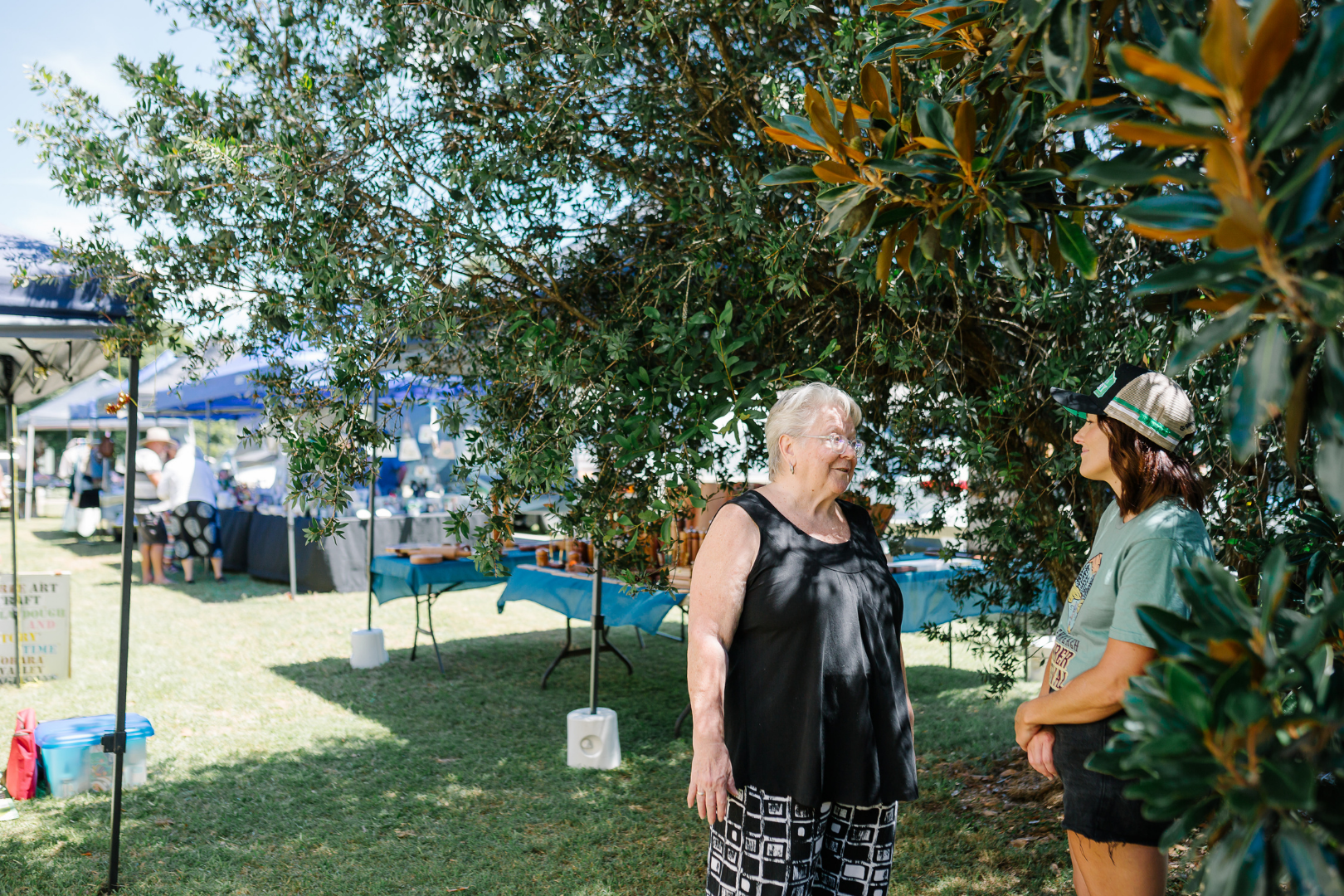
On the first Saturday of most months, you’ll find Jennie at the Glenreagh Markets. The markets have been running for around twenty years and have become a much-loved gathering place for locals and visitors alike. “It’s a friendly community market,” Jennie says. “There’s lots of banter and a beautiful atmosphere.”
Originally held at the recreation grounds, the markets eventually moved to the Glenreagh Hall, where they continue to bring people together through local produce, handmade goods and community spirit.
For Jennie, the markets and the Timber Festival share something important. They create connection.
Like many community events in Glenreagh, neither the markets nor the Timber Festival could happen without volunteers. Jennie knows this better than most.
Over the years she has volunteered at the local school canteen, coordinated markets and served on the Glenreagh Timber Festival Committee.
For a number of years she also ran the festival canteen, helping feed the crowds that descend on Glenreagh each July. “It’s a big day,” she laughs. But despite the long hours and hard work, she says it’s always worth it.
One of her strongest memories isn’t the festival day itself, but the weeks leading up to it. Cleaning the canteen. Stocking the fridges. Preparing for the thousands of visitors who would soon arrive. And wondering whether enough volunteers would turn up. Yet somehow, they always do. “You might start the day wondering how much help you’re going to get,” she says, “but there’s always people there.”
It’s a reminder of the quiet generosity that keeps small communities thriving.
Jennie’s own introduction to the Glenreagh Timber Festival came shortly after she moved to town. A local woman repeatedly reminded her to keep the last Saturday in July free. Eventually, she discovered she had been recruited as a volunteer. Before long, she was helping prepare the festival and becoming part of the team behind one of Glenreagh’s biggest events. “It’s tiring,” she admits. “But it’s fun.”
Over the years, she’s watched the festival bring together people from across the region—locals, visitors, former residents and newcomers alike. Some come for the woodchopping. Others come for the markets, displays and entertainment. But everyone leaves having experienced something uniquely Glenreagh.

Long before the gates open, before crowds wander through the displays and before the first axe strikes timber, Charlie Fancett is already hard at work.


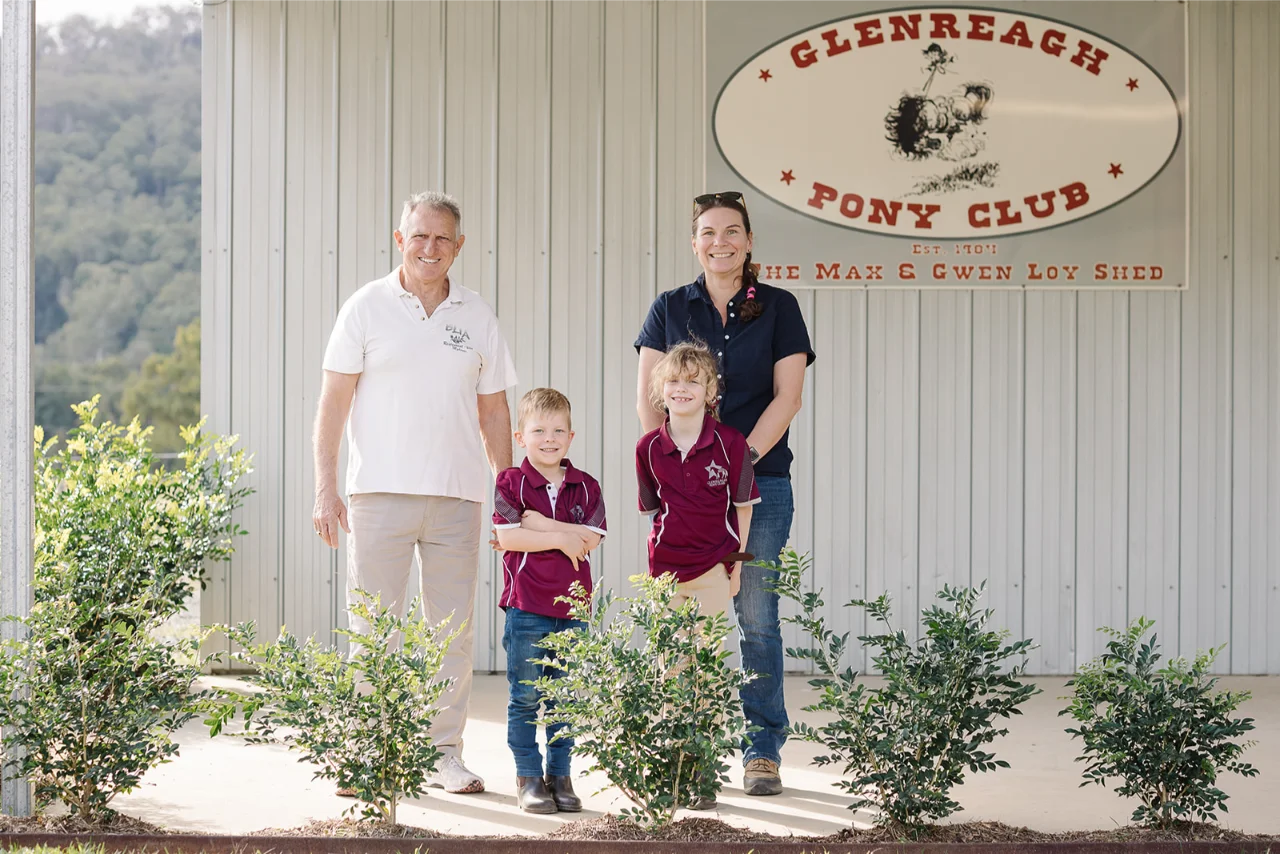
For more than 40 years, the Glenreagh Pony Club has helped local children build confidence, develop horsemanship skills and discover a love of country life.
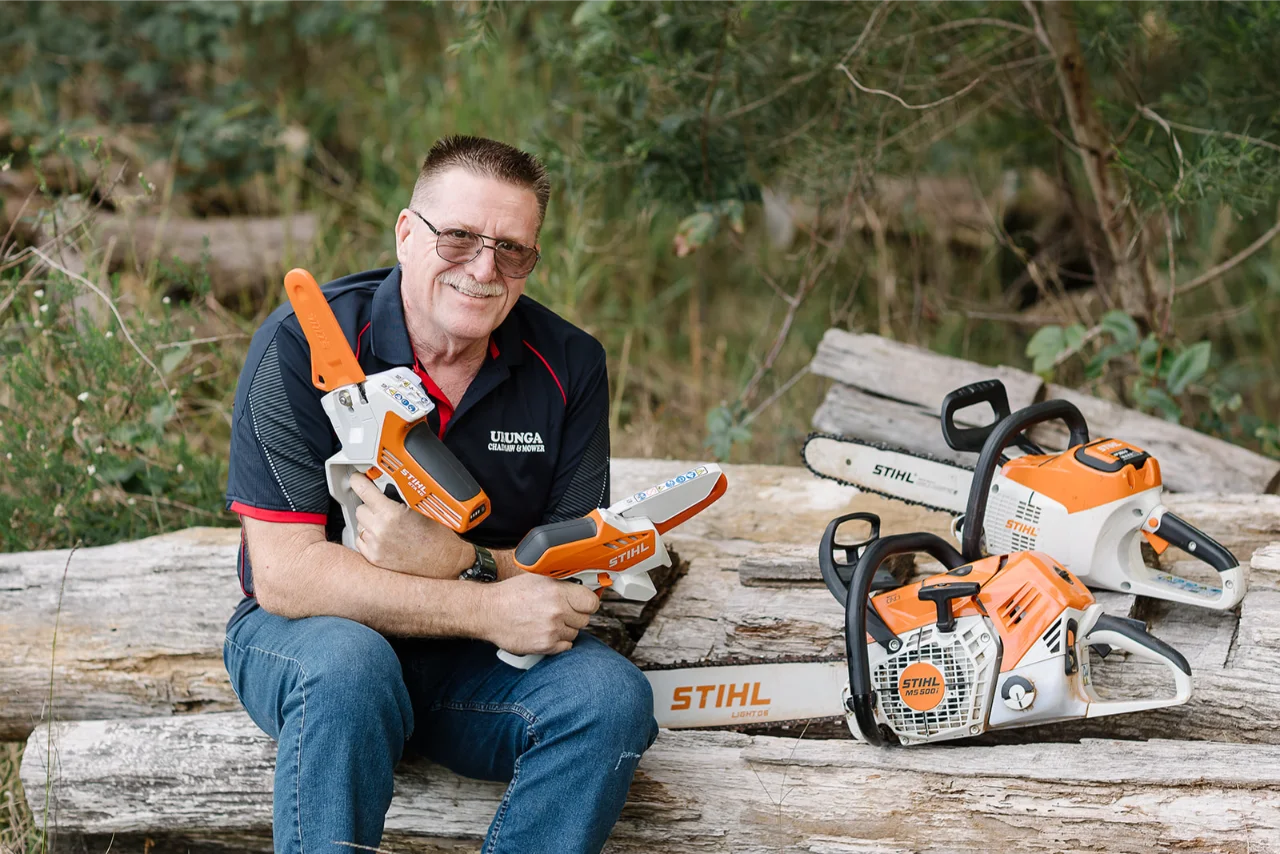
For the owner of Urunga Chainsaw and Mower, that first introduction to Glenreagh came in 2010 while working as a parole officer in Grafton.